


What to See in La Palma in 5 Days
16 de July de 2026
Hiking trails in Tijarafe and northwest La Palma
4 de September de 2026
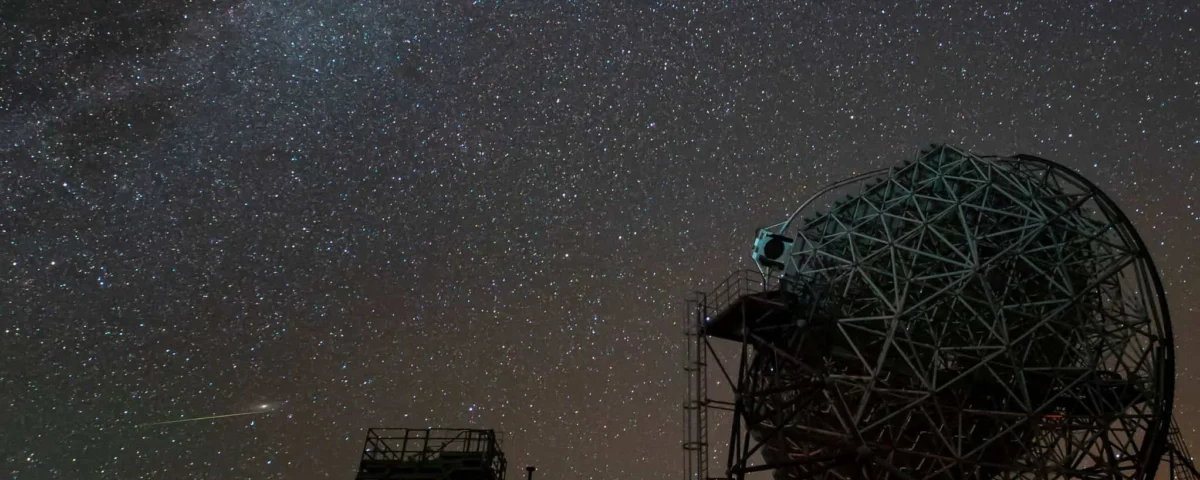
Every summer, the night sky puts on one of its most eagerly anticipated displays: the Perseids. This meteor shower, popularly known as the “Tears of Saint Lawrence”, reaches its peak around 12 August. Watching the Perseids in La Palma can turn a summer night into an unforgettable experience: silence, volcanic landscapes and shooting stars crossing a protected night sky.
In 2026, conditions will be especially favourable. The peak is expected on the night of 12–13 August and will coincide with the new moon, so moonlight should have little effect on visibility.
What are the Perseids?
The Perseids occur as Earth passes through a trail of tiny particles left behind by comet 109P/Swift–Tuttle. As these fragments enter the atmosphere at high speed, they heat up and produce the flashes we see as shooting stars.
Although they appear to come from the constellation Perseus, they can show up anywhere in the sky. You don’t need a telescope or any knowledge of astronomy: just find a dark spot, look up and give your eyes time to adjust to the night.
When to see the Perseids in La Palma in 2026
The meteor shower will be active from mid-July to late August, but the best night to watch will be 12–13 August. According to Spain’s National Geographic Institute, the highest activity is expected in the early hours of the morning. In the Canary Islands, the peak viewing window is expected to fall roughly between 3 am and 5 am.
You can also spot meteors on the nights before and after the peak. Staying for several days gives you more time to enjoy the experience at a relaxed pace and adapt to the weather.
Why La Palma is a special place to watch them
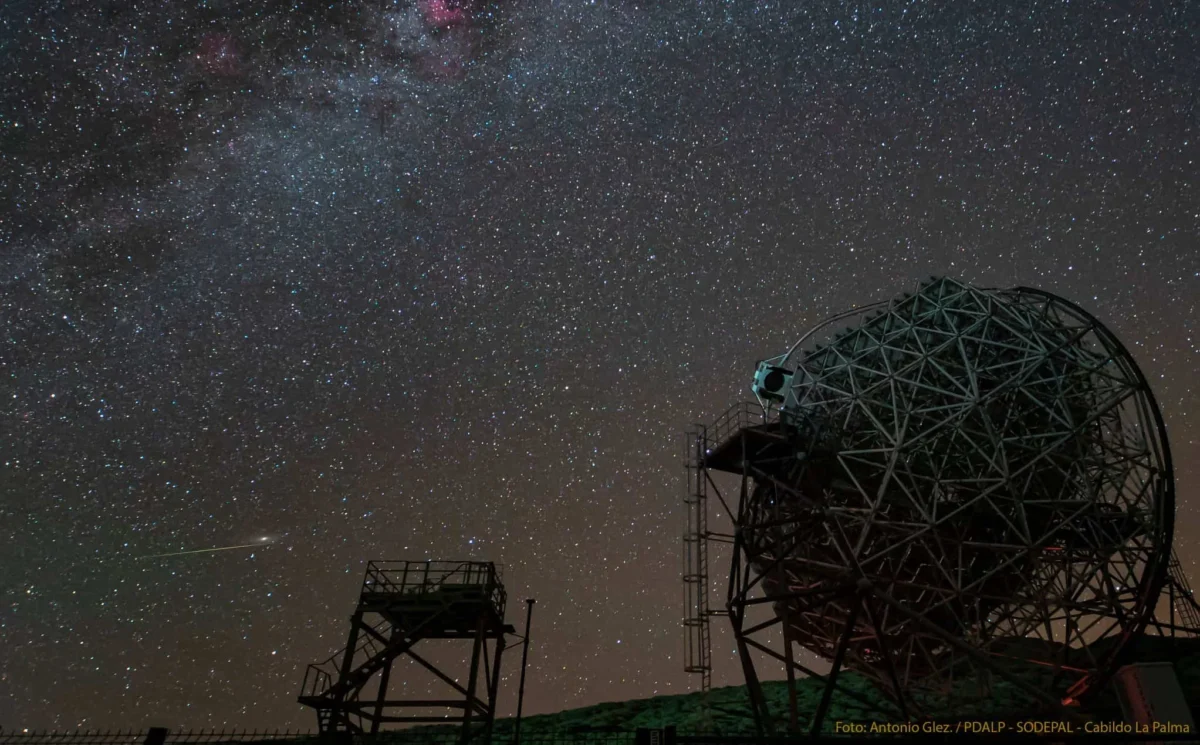
La Palma has a particularly strong connection with the night sky. Its clear atmosphere, high mountain peaks and measures to reduce light pollution have made it an international stargazing destination. The island was recognised as the world’s first Starlight Reserve and has specific legislation in place to protect its dark skies.
You don’t always need to go up to Roque de los Muchachos to enjoy the stars. In peaceful municipalities such as Tijarafe, away from the brightest and busiest areas, you can experience the night more privately, especially from open spaces with views across the landscape.
Tips for enjoying the meteor shower
Choose a safe, dark spot with as much of the horizon in view as possible. Avoid looking at your phone and don’t use bright white lights: your eyes need 20 to 30 minutes to adjust to the darkness. A red-light torch, an extra layer of clothing and a blanket or reclining chair will make the wait much more comfortable.
You don’t need to look directly towards Perseus. It’s better to take in a wide area of the sky and watch without rushing. The number of meteors you see will depend on how dark the sky is, cloud cover and the shower’s actual activity, so it’s best to keep your expectations flexible.
Experience the Perseids from Alisios Retreats
A stay at Alisios Retreats lets you enjoy this experience as part of a peaceful, private getaway. Its villas in Tijarafe combine Canarian architecture, contemporary design, a private heated pool, terraces and open views towards the Atlantic.
After watching the sunset, the evening is an invitation to slow down and discover another side of La Palma. If the sky is clear and conditions allow, watching the Perseids from the villa’s surroundings can become one of those simple moments that end up defining a whole trip.
August is a chance to explore walking trails, visit the volcanic coast and end the day beneath the stars.
Book your stay at Alisios Retreats and discover La Palma after dark, too.